Feeding your canine a raw diet can provide high‑quality protein and natural nutrients, but it may also leave gaps in essential vitamins. Adding the right vitamin supplements ensures your dog stays vibrant, supports joint health, and avoids deficiencies that could surface later in life. Below we break down the most common supplements, what to watch for, and how to integrate them safely.
What essential vitamins might a raw‑fed dog still need?
Even the most carefully crafted raw meals can fall short on certain micronutrients, especially vitamin C, vitamin D, and B‑complex vitamins. These nutrients play crucial roles in collagen formation, immune function, and energy metabolism. A balanced supplement fills those gaps without overloading the diet.
How does vitamin C support a raw‑fed dog’s health?
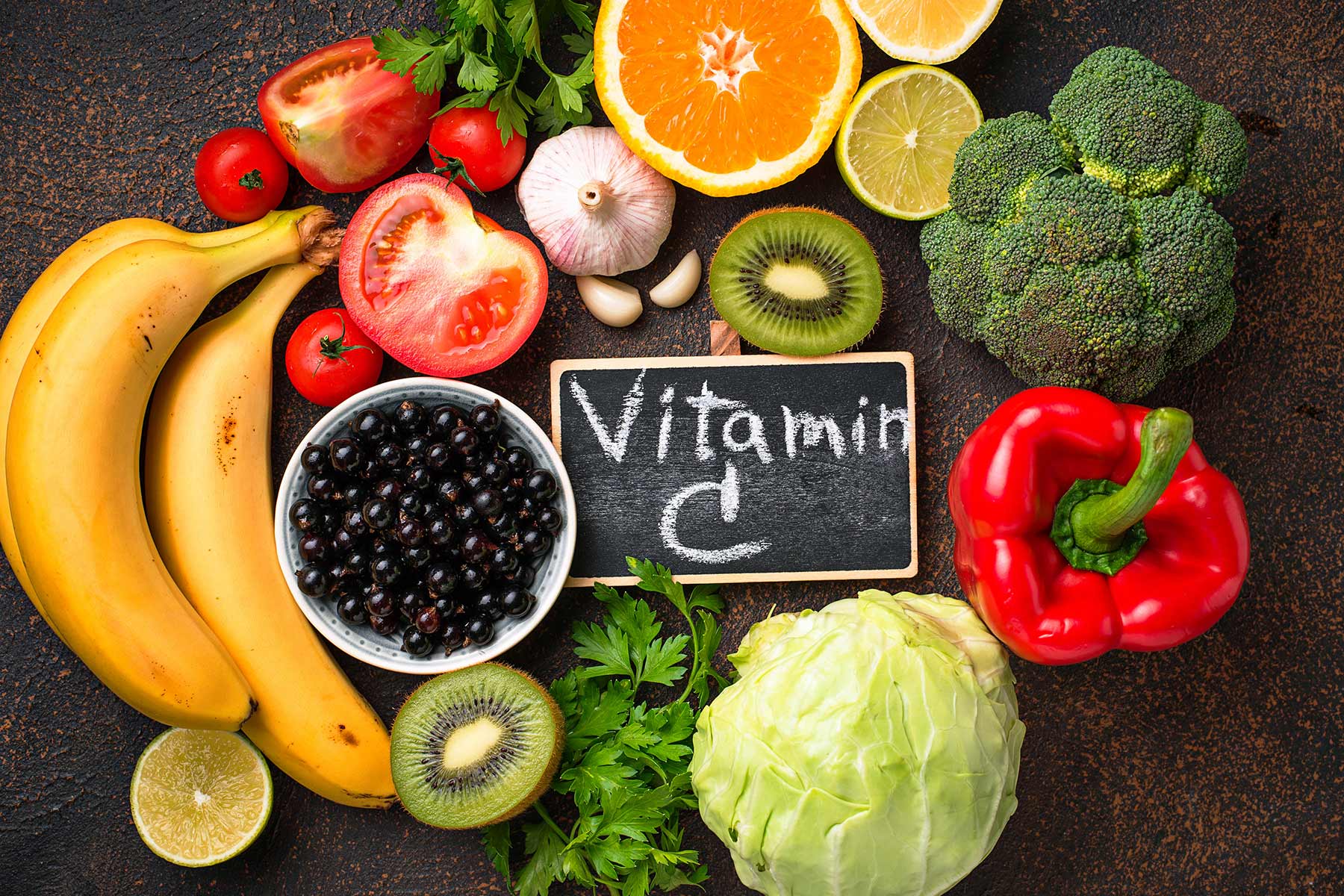
Vitamin C is a powerful antioxidant that helps reduce inflammation, supports joint cartilage, and boosts the immune system. While adult dogs synthesize vitamin C internally, certain breeds, older dogs, or those under stress may benefit from an extra boost. A modest supplement (around 30–50 mg per 20 lb dog) can aid recovery after intense exercise or illness without causing toxicity.
Why consider a broad‑spectrum vitamin blend?
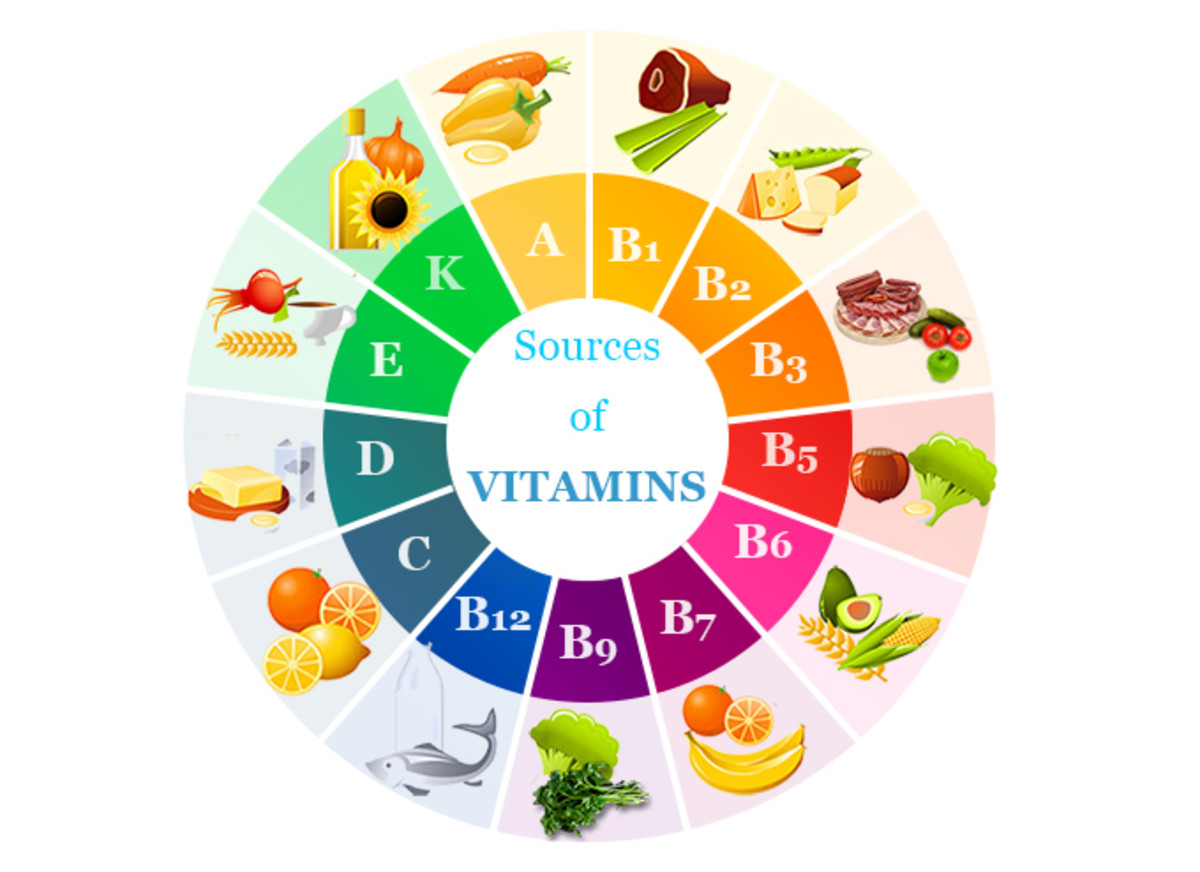
Comprehensive blends typically include vitamins A, D, E, K, and B‑complex, plus minerals like calcium and zinc. These formulas mirror the balance found in commercial kibble, helping you avoid common deficiencies such as low calcium (which can affect bone density) or insufficient vitamin D (critical for calcium absorption). Look for products formulated specifically for dogs, with dosage guidelines based on weight.
When can supplements become a problem?
- Over‑supplementation: Excess fat‑soluble vitamins (A, D, E, K) accumulate in the liver and may cause toxicity, leading to symptoms from vomiting to serious organ damage.
- Interaction with medications: Certain vitamins, especially high‑dose vitamin E, can interfere with anticoagulants or anti‑inflammatory drugs.
- Quality variance: Not all supplements are created equal; some contain fillers or artificial colors that undermine the raw‑diet philosophy.
Always start with the lowest effective dose and monitor your dog’s health. If you notice changes in appetite, stool consistency, or energy levels, consult your veterinarian.
How should you incorporate supplements into a raw feeding routine?
- Calculate the daily dose: Use the weight‑based guidelines on the supplement label; for multi‑ingredient blends, split the dose across meals to improve absorption.
- Mix thoroughly: Sprinkle powdered vitamins onto the meat or blend liquid drops into the meat mixture. Even distribution prevents “hot spots” of concentration.
- Track results: Keep a simple log of the supplement type, amount, and any observed changes in coat sheen, joint mobility, or energy. This data helps fine‑tune the regimen.
- Re‑evaluate quarterly: As your dog ages or activity levels shift, nutrient needs may change. Adjust the supplement plan accordingly, ideally under veterinary guidance.
What are safe sources for high‑quality dog‑specific vitamin supplements?
Reputable pet‑health brands often undergo third‑party testing for purity and potency. Look for certifications such as NSF Certified for Pets or a statement of “USP‑verified” ingredients. Products sold at veterinary clinics tend to have stricter quality controls than generic online listings.
By understanding which vitamins your raw‑fed dog truly needs, selecting trustworthy supplements, and administering them thoughtfully, you can enjoy the benefits of a natural diet while safeguarding your companion’s long‑term health.
Feeding your canine a raw diet can provide high‑quality protein and natural nutrients, but it may also leave gaps in essential vitamins. Adding the right vitamin supplements ensures your dog stays vibrant, supports joint health, and avoids deficiencies that could surface later in life. Below we break down the most common supplements, what to watch for, and how to integrate them safely.
What essential vitamins might a raw‑fed dog still need?
Even the most carefully crafted raw meals can fall short on certain micronutrients, especially vitamin C, vitamin D, and B‑complex vitamins. These nutrients play crucial roles in collagen formation, immune function, and energy metabolism. A balanced supplement fills those gaps without overloading the diet.
How does vitamin C support a raw‑fed dog’s health?
Vitamin C is a powerful antioxidant that helps reduce inflammation, supports joint cartilage, and boosts the immune system. While adult dogs synthesize vitamin C internally, certain breeds, older dogs, or those under stress may benefit from an extra boost. A modest supplement (around 30–50 mg per 20 lb dog) can aid recovery after intense exercise or illness without causing toxicity.
Why consider a broad‑spectrum vitamin blend?
Comprehensive blends typically include vitamins A, D, E, K, and B‑complex, plus minerals like calcium and zinc. These formulas mirror the balance found in commercial kibble, helping you avoid common deficiencies such as low calcium (which can affect bone density) or insufficient vitamin D (critical for calcium absorption). Look for products formulated specifically for dogs, with dosage guidelines based on weight.
When can supplements become a problem?
- Over‑supplementation: Excess fat‑soluble vitamins (A, D, E, K) accumulate in the liver and may cause toxicity, leading to symptoms from vomiting to serious organ damage.
- Interaction with medications: Certain vitamins, especially high‑dose vitamin E, can interfere with anticoagulants or anti‑inflammatory drugs.
- Quality variance: Not all supplements are created equal; some contain fillers or artificial colors that undermine the raw‑diet philosophy.
Always start with the lowest effective dose and monitor your dog’s health. If you notice changes in appetite, stool consistency, or energy levels, consult your veterinarian.
How should you incorporate supplements into a raw feeding routine?
- Calculate the daily dose: Use the weight‑based guidelines on the supplement label; for multi‑ingredient blends, split the dose across meals to improve absorption.
- Mix thoroughly: Sprinkle powdered vitamins onto the meat or blend liquid drops into the meat mixture. Even distribution prevents “hot spots” of concentration.
- Track results: Keep a simple log of the supplement type, amount, and any observed changes in coat sheen, joint mobility, or energy. This data helps fine‑tune the regimen.
- Re‑evaluate quarterly: As your dog ages or activity levels shift, nutrient needs may change. Adjust the supplement plan accordingly, ideally under veterinary guidance.
What are safe sources for high‑quality dog‑specific vitamin supplements?
Reputable pet‑health brands often undergo third‑party testing for purity and potency. Look for certifications such as NSF Certified for Pets or a statement of “USP‑verified” ingredients. Products sold at veterinary clinics tend to have stricter quality controls than generic online listings.
By understanding which vitamins your raw‑fed dog truly needs, selecting trustworthy supplements, and administering them thoughtfully, you can enjoy the benefits of a natural diet while safeguarding your companion’s long‑term health.
5 Vitamin Quan Trọng Trẻ Dễ Thiếu Hụt – Bố Mẹ Nhất Định Phải Biết
5 Vitamin Quan Trọng Trẻ Dễ Thiếu Hụt – Bố Mẹ Nhất Định Phải Biết ...
Vitamin Kya Hai?(what Is Vitamin?) | Types Of Vitamins, Sources

Vitamin Kya Hai?(what is vitamin?) | Types of Vitamins, Sources ...
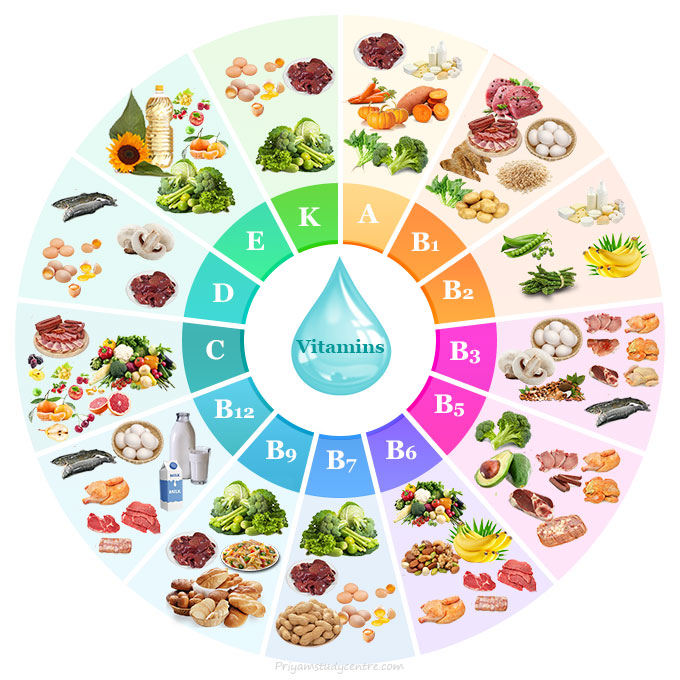
Vitamin - List, Definition, Sources, Types, Deficiency
Vitamin - List, Definition, Sources, Types, Deficiency