When a dog faces pancreatitis, the right dog diet for pancreatitis can make the difference between a quick recovery and a lingering problem. Busy pet owners need clear, actionable steps that fit into a hectic schedule, so this guide breaks down the essentials into easy‑to‑follow actions.
Pick Low‑Fat, Easy‑Digest Meals
Start with foods that contain less than 10 % fat on a dry‑matter basis. Look for veterinary‑recommended prescription brands or high‑quality commercial formulas labeled “low‑fat” and “highly digestible.” If you prefer home‑cooked meals, a simple recipe of boiled chicken breast, white rice, and a splash of pumpkin provides protein without excess grease. Avoid table scraps, especially bacon or cheese, and steer clear of high‑fat treats until the vet gives the green light.
Add Gentle Supplements and Monitor Portions
Beyond low‑fat kibble, incorporate supplements that support pancreatic health. A modest amount of omega‑3 fatty acids (such as fish oil) can reduce inflammation, while digestive enzymes taken with each meal help break down nutrients more efficiently. Measure each portion with a kitchen scale or measuring cup; even a small excess can overload the pancreas. Split the daily caloric goal into three to four small meals rather than one large bowl, which steadies blood sugar and lessens pancreatic stress.
Frequency and Portion Control
Consistency is key. Feed at the same times each day to create a predictable routine for your dog’s digestive system. Use a slow‑feed bowl or puzzle feeder to stretch out eating time, preventing rapid ingestion that can trigger flare‑ups. Keep a simple log of what you serve, noting any changes in appetite or stool, so you can spot patterns early and adjust the diet accordingly.
Transition Slowly and Watch for Triggers
Switching to a new dog diet for pancreatitis should be gradual. Mix a small amount of the new low‑fat food with the current diet, increasing the ratio over five to seven days. This eases the pancreas into the new nutrient profile and reduces the chance of gastrointestinal upset. Monitor for warning signs such as vomiting, lethargy, or abdominal pain, and contact your veterinarian immediately if they appear. Early intervention often prevents a mild episode from becoming severe.
When a dog faces pancreatitis, the right dog diet for pancreatitis can make the difference between a quick recovery and a lingering problem. Busy pet owners need clear, actionable steps that fit into a hectic schedule, so this guide breaks down the essentials into easy‑to‑follow actions.
Pick Low‑Fat, Easy‑Digest Meals
Start with foods that contain less than 10 % fat on a dry‑matter basis. Look for veterinary‑recommended prescription brands or high‑quality commercial formulas labeled “low‑fat” and “highly digestible.” If you prefer home‑cooked meals, a simple recipe of boiled chicken breast, white rice, and a splash of pumpkin provides protein without excess grease. Avoid table scraps, especially bacon or cheese, and steer clear of high‑fat treats until the vet gives the green light.
Add Gentle Supplements and Monitor Portions
Beyond low‑fat kibble, incorporate supplements that support pancreatic health. A modest amount of omega‑3 fatty acids (such as fish oil) can reduce inflammation, while digestive enzymes taken with each meal help break down nutrients more efficiently. Measure each portion with a kitchen scale or measuring cup; even a small excess can overload the pancreas. Split the daily caloric goal into three to four small meals rather than one large bowl, which steadies blood sugar and lessens pancreatic stress.
Frequency and Portion Control
Consistency is key. Feed at the same times each day to create a predictable routine for your dog’s digestive system. Use a slow‑feed bowl or puzzle feeder to stretch out eating time, preventing rapid ingestion that can trigger flare‑ups. Keep a simple log of what you serve, noting any changes in appetite or stool, so you can spot patterns early and adjust the diet accordingly.
Transition Slowly and Watch for Triggers
Switching to a new dog diet for pancreatitis should be gradual. Mix a small amount of the new low‑fat food with the current diet, increasing the ratio over five to seven days. This eases the pancreas into the new nutrient profile and reduces the chance of gastrointestinal upset. Monitor for warning signs such as vomiting, lethargy, or abdominal pain, and contact your veterinarian immediately if they appear. Early intervention often prevents a mild episode from becoming severe.
Top 5 Japanese Dog Breeds

Top 5 Japanese Dog Breeds
Dog Breeds
Dog Breeds
Just A Bunch Of Cute Photos That Prove Large Dogs Are The Best

Just a Bunch of Cute Photos That Prove Large Dogs Are the Best
Types Of Cattle Dogs
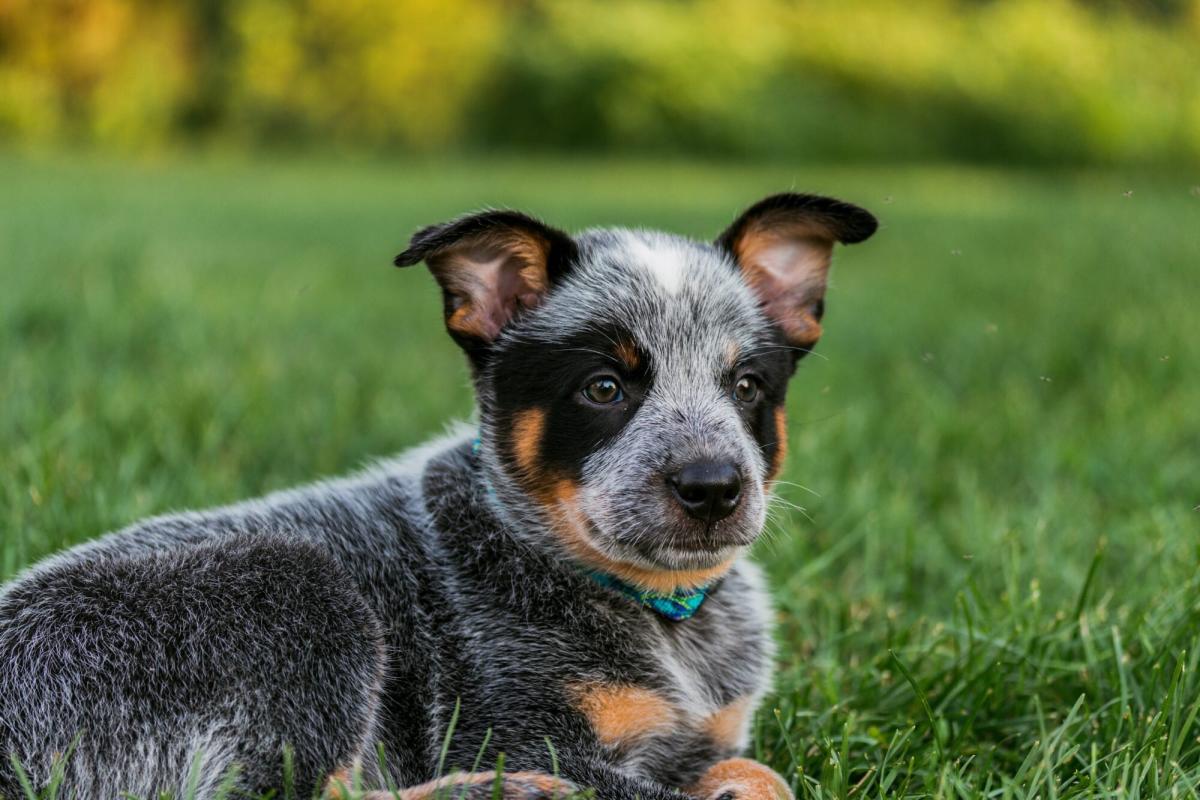
Types Of Cattle Dogs