When Bella’s vet diagnosed her with pancreatitis, the first thing she heard was “diet change.” For a curious dog owner, navigating the maze of low‑fat, easy‑to‑digest foods can feel overwhelming. This guide walks you through real‑world scenarios, showing why certain foods work, how to spot red flags, and what criteria matter most when building a safe, balanced diet for a dog recovering from pancreatitis.
What makes a diet safe for a dog with pancreatitis?
Pancreatitis erupts when the pancreas is overstimulated by excess fat or large, hard‑to‑digest meals. A safe diet therefore follows three rules: low fat (under 10% of calories), highly digestible protein, and moderate carbohydrate that doesn’t spike blood sugar. Commercial therapeutic formulas meet these numbers, but a home‑cooked plan can match them if you measure ingredients carefully.
When should I consider a commercial therapeutic diet?
Therapeutic kibble or canned food is formulated to hit the low‑fat target without sacrificing essential nutrients. If your dog is in the acute phase—vomiting, abdominal pain, or lethargy—these products provide predictable calories and are easier on the pancreas. Look for labels that list “fat ≤ 10 g per 100 kcal” and contain added omega‑3 fatty acids, which have anti‑inflammatory benefits.
Can I create a balanced home‑cooked diet?

Yes, but you’ll need to follow a recipe vetted by a veterinary nutritionist. A typical mix includes 40‑50 % boiled chicken breast (skin removed), 30‑40 % cooked white rice or sweet potato, and 10‑20 % cooked vegetables such as carrots or green beans. Adding a calibrated canine vitamin‑mineral supplement ensures no nutrient gaps.
What are common pitfalls that can trigger a flare‑up?
- High‑fat treats: Bacon, cheese, and even peanut butter can push fat intake above the safe threshold.
- Table scraps: Fried foods and sauces often contain hidden oils and spices that irritate the pancreas.
- Changing foods too quickly: Switching from a regular diet to therapeutic food should be gradual—over 5‑7 days—to avoid digestive upset.
How do I evaluate an existing commercial diet for suitability?
Take a label and run a quick mental checklist:
- Fat content ≤ 10 % of calories.
- Protein source listed first (e.g., chicken, turkey) and free of “by‑products.”
- No added carbohydrates that are high‑glycemic (corn syrup, maltodextrin).
- Presence of prebiotic fiber (pumpkin, beet pulp) to aid gut health.
What’s a realistic daily feeding schedule during recovery?
Split the daily calorie allowance into 4‑6 small meals rather than one large bowl. For a 20‑lb dog, aim for about 400 kcal/day, which translates to roughly 1 cup of low‑fat kibble or ½ cup of the home‑cooked mix per meal. Consistent timing (e.g., 7 am, 12 noon, 5 pm) helps stabilize pancreatic secretions and reduces the risk of another episode.
When Bella’s vet diagnosed her with pancreatitis, the first thing she heard was “diet change.” For a curious dog owner, navigating the maze of low‑fat, easy‑to‑digest foods can feel overwhelming. This guide walks you through real‑world scenarios, showing why certain foods work, how to spot red flags, and what criteria matter most when building a safe, balanced diet for a dog recovering from pancreatitis.
What makes a diet safe for a dog with pancreatitis?
Pancreatitis erupts when the pancreas is overstimulated by excess fat or large, hard‑to‑digest meals. A safe diet therefore follows three rules: low fat (under 10% of calories), highly digestible protein, and moderate carbohydrate that doesn’t spike blood sugar. Commercial therapeutic formulas meet these numbers, but a home‑cooked plan can match them if you measure ingredients carefully.
When should I consider a commercial therapeutic diet?
Therapeutic kibble or canned food is formulated to hit the low‑fat target without sacrificing essential nutrients. If your dog is in the acute phase—vomiting, abdominal pain, or lethargy—these products provide predictable calories and are easier on the pancreas. Look for labels that list “fat ≤ 10 g per 100 kcal” and contain added omega‑3 fatty acids, which have anti‑inflammatory benefits.
Can I create a balanced home‑cooked diet?
Yes, but you’ll need to follow a recipe vetted by a veterinary nutritionist. A typical mix includes 40‑50 % boiled chicken breast (skin removed), 30‑40 % cooked white rice or sweet potato, and 10‑20 % cooked vegetables such as carrots or green beans. Adding a calibrated canine vitamin‑mineral supplement ensures no nutrient gaps.
What are common pitfalls that can trigger a flare‑up?
- High‑fat treats: Bacon, cheese, and even peanut butter can push fat intake above the safe threshold.
- Table scraps: Fried foods and sauces often contain hidden oils and spices that irritate the pancreas.
- Changing foods too quickly: Switching from a regular diet to therapeutic food should be gradual—over 5‑7 days—to avoid digestive upset.
How do I evaluate an existing commercial diet for suitability?
Take a label and run a quick mental checklist:
- Fat content ≤ 10 % of calories.
- Protein source listed first (e.g., chicken, turkey) and free of “by‑products.”
- No added carbohydrates that are high‑glycemic (corn syrup, maltodextrin).
- Presence of prebiotic fiber (pumpkin, beet pulp) to aid gut health.
What’s a realistic daily feeding schedule during recovery?
Split the daily calorie allowance into 4‑6 small meals rather than one large bowl. For a 20‑lb dog, aim for about 400 kcal/day, which translates to roughly 1 cup of low‑fat kibble or ½ cup of the home‑cooked mix per meal. Consistent timing (e.g., 7 am, 12 noon, 5 pm) helps stabilize pancreatic secretions and reduces the risk of another episode.
The Perfect Diet

The Perfect Diet
Food Pie Chart On White Background, Top View. Healthy Balanced Diet
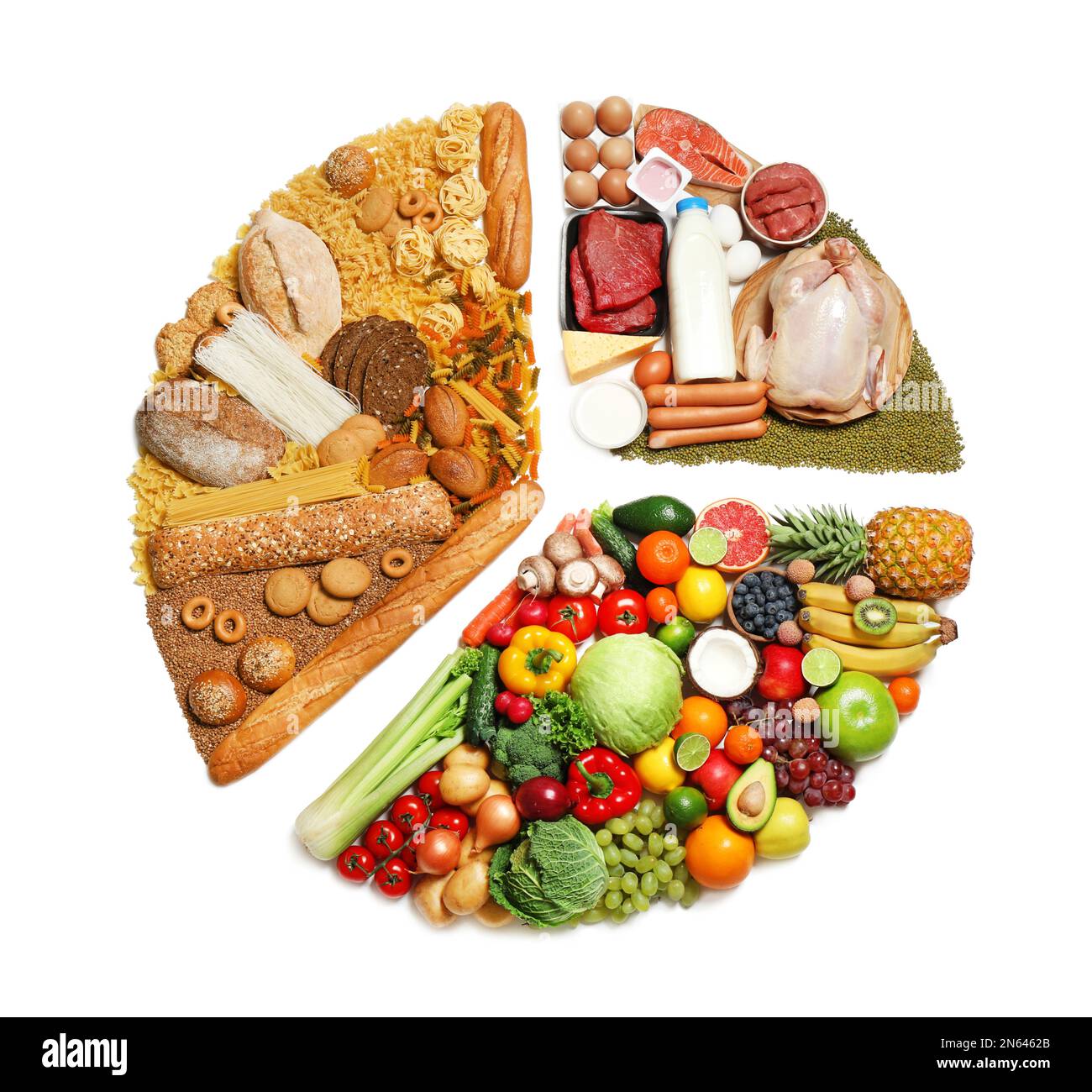
Food pie chart on white background, top view. Healthy balanced diet ...
Japanese Diet: Benefits, How To Follow, Meal Plan, & Recipes
Japanese Diet: Benefits, How To Follow, Meal Plan, & Recipes
Caloric Diet Stock Vector Images - Alamy
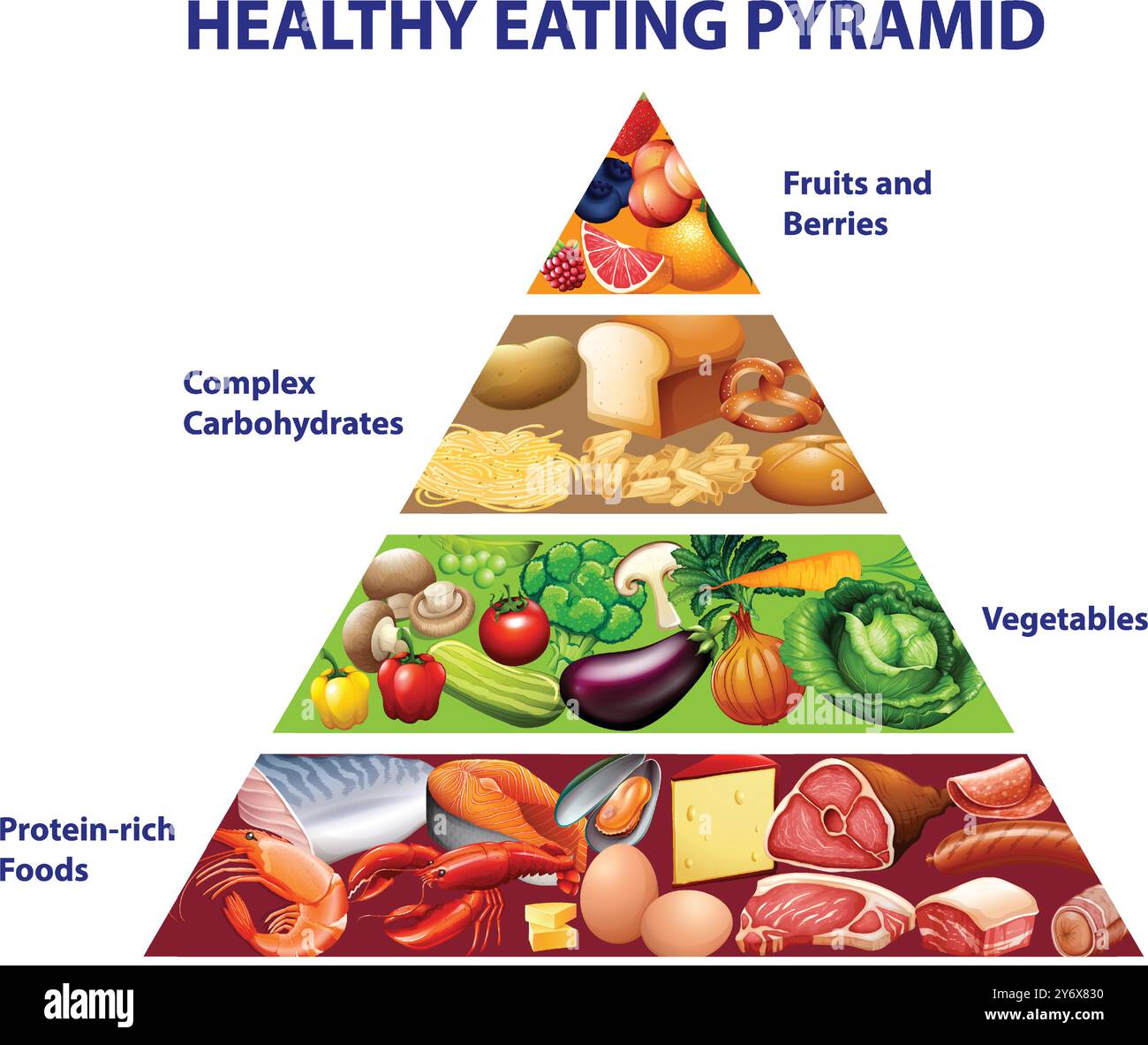
Caloric diet Stock Vector Images - Alamy